
Pulse-Width Modulation (PWM)
PWM nozzles vary droplet size and flow rate without changing pressure. It gives the operator more control, but every square metre still receives product — only the dose is adjusted.
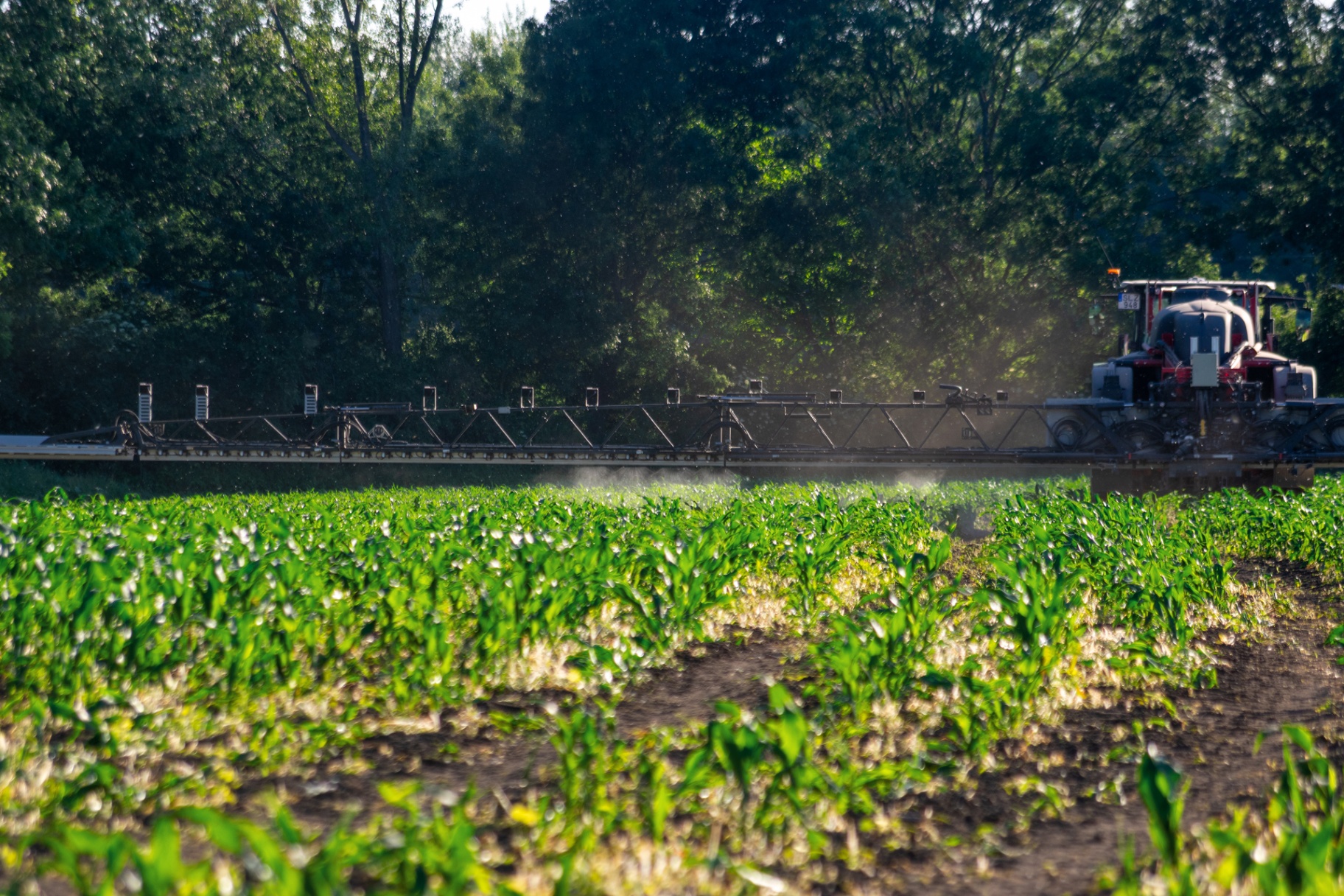
A practical, extension-style guide to precision crop spraying: what a precision sprayer is, how precision spraying technology works in the field, and where real-time AI spot spraying fits on the technology ladder.
Precision spraying is the practice of applying crop protection products with site-specific control rather than broadcasting the same rate across a whole field. In precision crop spraying the goal is simple: put the right amount of chemistry in the right place, at the right time.
The term covers a spectrum of technologies. At one end, GPS-guided boom sections reduce overlap and skip already-treated areas. At the other end, real-time AI vision opens individual nozzles only when a weed is detected — turning every spray pass into a map of decisions, with no drone mapping or multi-step planning required.
Because the decision happens on the boom in milliseconds, the operator sprays the same way as always: fill, drive, and let the machine hit only the weeds. No new expertise, no changed workflow.
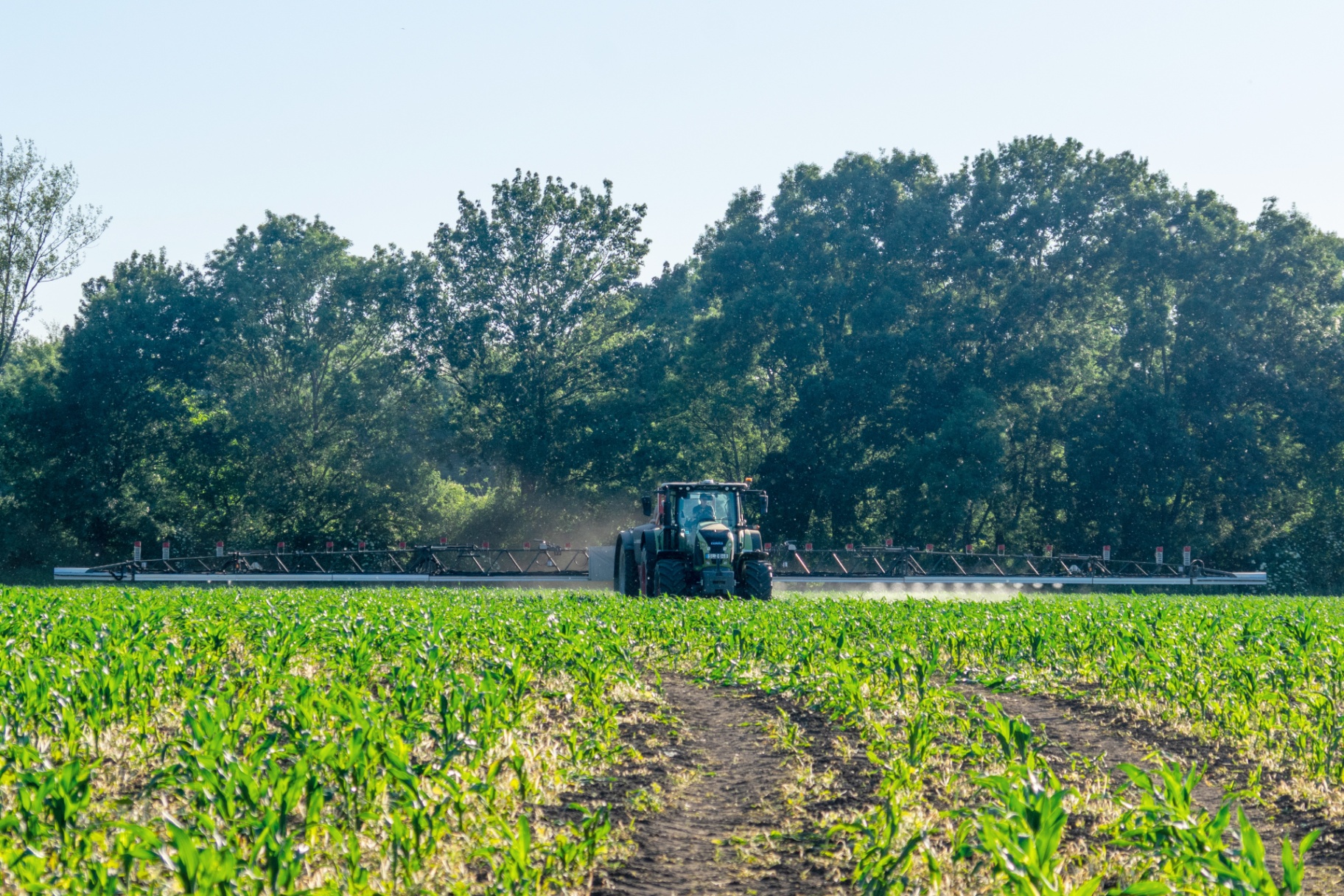
Not all precision spraying is the same. Farms usually climb the ladder as technology, labour, and chemistry economics allow.
PWM nozzles vary droplet size and flow rate without changing pressure. It gives the operator more control, but every square metre still receives product — only the dose is adjusted.
GPS-mapped section or individual nozzle control switches off over headlands, buffer strips, and already-treated zones. A big step forward, yet it still sprays the whole pass width.
Computer vision identifies weeds as the sprayer moves and opens only the nozzles covering those plants — no drone mapping, no office planning, no multi-step workflow. This is the most advanced form of precision spraying.
Three pressures are pushing precision spraying from optional to essential: input costs, herbicide resistance, and environmental regulation.
In fallow and post-emergence programmes, real-time spot spraying can cut chemistry volume by 60–90%. That translates directly into lower input bills — and because the tank-mix shrinks proportionally, water savings are just as significant.
Less herbicide also means less carrier water. Tank-mix volumes drop in proportion to chemical use, cutting refill stops, water hauling, and spray drift potential.
By treating only weed patches, farmers preserve effective modes of action and reduce selection pressure on resistant populations.
Less active ingredient leaves the field. Buffer strips, watercourses, and non-target plants are exposed to far smaller chemical loads.
In high-value horticulture and row crops, nozzles stay closed over the cash plant. Crop burn, phytotoxicity, and re-entry intervals shrink.
Real-time AI spot spraying works with the same fill-and-drive workflow as blanket spraying. No drone mapping, no prescription files, no agronomy degree required.
With chemistry costs rising, many WeedEye users see full payback in 1–2 seasons on 200+ hectare operations.
Spot spraying keeps the full boom width and working speed of your existing sprayer, so it covers many times the area of a spray drone. With less liquid to apply, refills are less frequent – daily output can even exceed broadcast spraying.
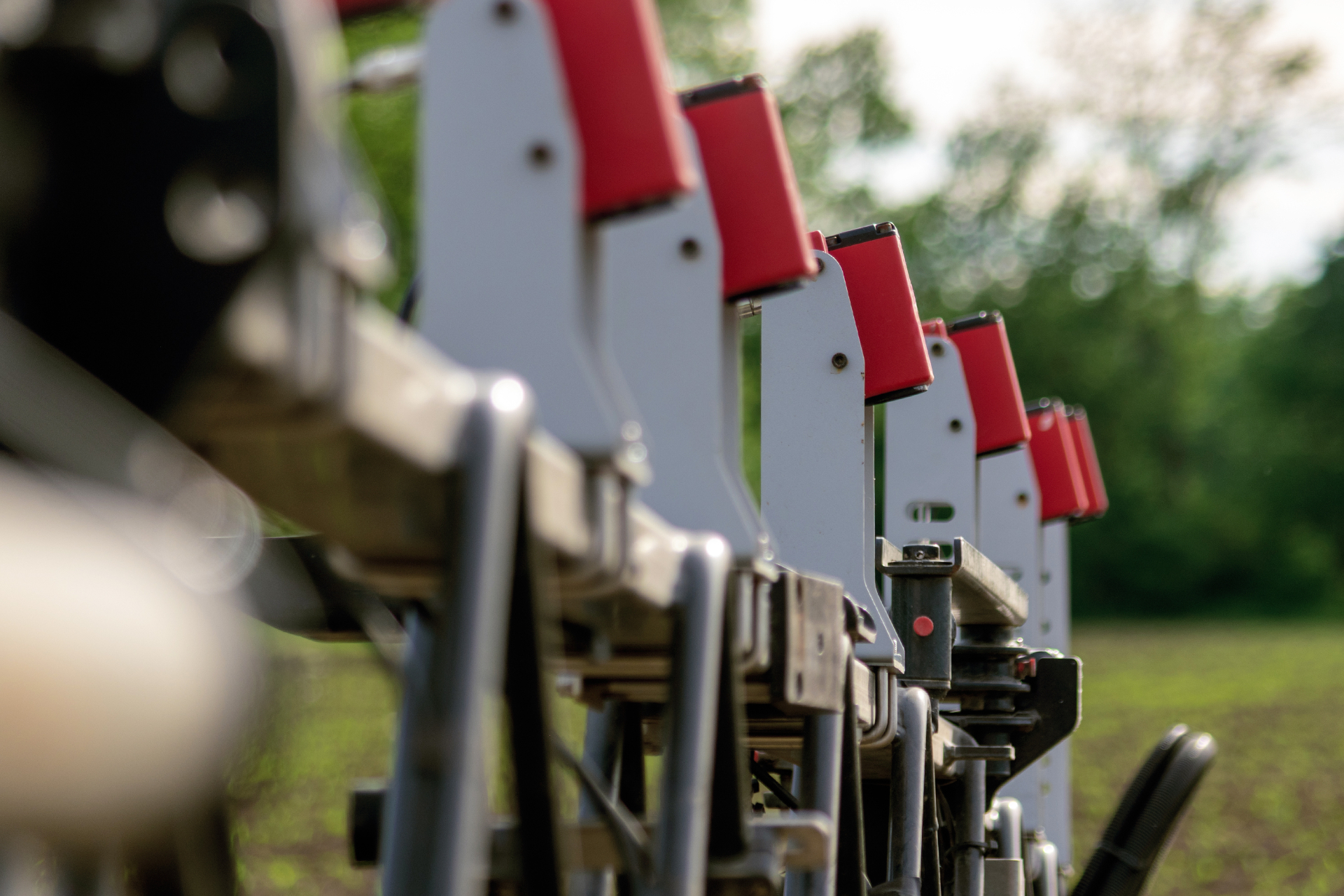
WeedEye is a real-time AI vision retrofit that turns conventional sprayers into plant-level precision spraying systems. It does not replace your sprayer — it makes every nozzle intelligent, on the fly.
Not all spot spraying is the same. Real-time systems decide on the boom, so you spray like always — without drones, maps, or extra planning steps.
| Factor | Blanket spraying | Map-based spot spraying | Real-time AI spot spraying |
|---|---|---|---|
| Chemical use | Full field rate everywhere | Only mapped weeds sprayed | Every weed detected and selectively sprayed |
| Water / carrier volume | Full tank-mix rate across field | Reduced, tied to mapped zones | Reduced in proportion to herbicide savings |
| Workflow | Fill and drive | Drone map → plan → spray | Fill and drive — same as blanket |
| Expertise needed | Standard sprayer operation | Mapping & prescription skills | Standard sprayer operation |
| Weed control | Good, but selects resistance | Depends on map accuracy & age | No weed missed — real-time detection, zero delay between detection and spray |
| Crop safety | Risk of phytotoxicity | Less chemical reaches the crop | Far less chemical reaches the crop |
| Speed | Limited by label / boom | Limited by map resolution | Up to 20 km/h with RAPID |
| Data | None | Weed maps from drone imagery | GeoJSON weed pressure maps |
| Payback | Input cost only | Hardware + service costs | 1–2 seasons on 200+ ha |
Precision spraying in agriculture means applying crop protection products site-specifically instead of at a uniform rate across the whole field. A precision spraying system decides — by GPS map or by real-time camera detection — exactly where product is released, so untreated ground and the crop itself receive little or no chemistry.
A precision sprayer is a conventional boom sprayer equipped with nozzle-level control and a decision layer. In modern precision sprayers, cameras along the boom classify crop and weed while driving, and fast valves open only the nozzles above detected weeds. Existing machines can be turned into precision sprayers with a retrofit kit rather than being replaced.
Precision crop spraying treats weed patches rather than whole hectares, typically cutting herbicide volume by 60–90% in fallow and post-emergence programmes. Carrier water falls in proportion, so refills, water hauling, and drift all drop as well. On 200+ hectare operations, payback is usually reached within 1–2 seasons.
Precision spraying technology spans three levels: pulse-width modulation for dose control, GPS boom-section and individual nozzle control to avoid overlap, and real-time AI spot spraying that detects each plant on the move. Only the third level reduces the sprayed area itself.
Map-based systems do: a drone flight, image processing, and a prescription file are needed before every pass. Real-time precision spraying systems such as WeedEye make the decision on the boom in milliseconds, so the operator fills the tank and drives exactly as with blanket spraying — no drones, no maps, no extra expertise.
Yes. Most trailed, mounted and self-propelled boom sprayers from 12 m to 36 m can be retrofitted. The WeedEye Easy Kit works with the machine's existing compatible ISOBUS valve system — RAVEN and TEEJET are examples, not requirements — while the Full Upgrade Kit adds the WeedEye RAPID valve block alongside the original plumbing. Both keep the original spraying function fully available, so you can switch back to blanket application at any time.
Indicative net prices are 1,400 EUR per metre of boom for the Easy Kit and 1,900 EUR per metre for the Full Upgrade Kit; the self-contained UHP9.0 unit is 114,000 EUR. On typical arable rotations with 60–90% chemical savings, payback lands within one to two seasons — you can model your own figures with the WeedEye ROI calculator. Prices are indicative only and are not an offer.
Camera units are mounted along the boom roughly every metre, so the system scales with boom width: 24 m and 30 m booms are the most common installations, and WeedEye has run at 14 km/h on a 30 m boom. Trailed machines such as the Berthoud Major, mounted sprayers and self-propelled units are all supported; for row crops and horticulture the UHP9.0 covers 900 cm with 225 valves at 4 cm spacing.
Tell us about your sprayer, crops, and hectares. We will recommend the right WeedEye kit and estimate your chemical savings.