
WeedEye logoWeedEye
Home
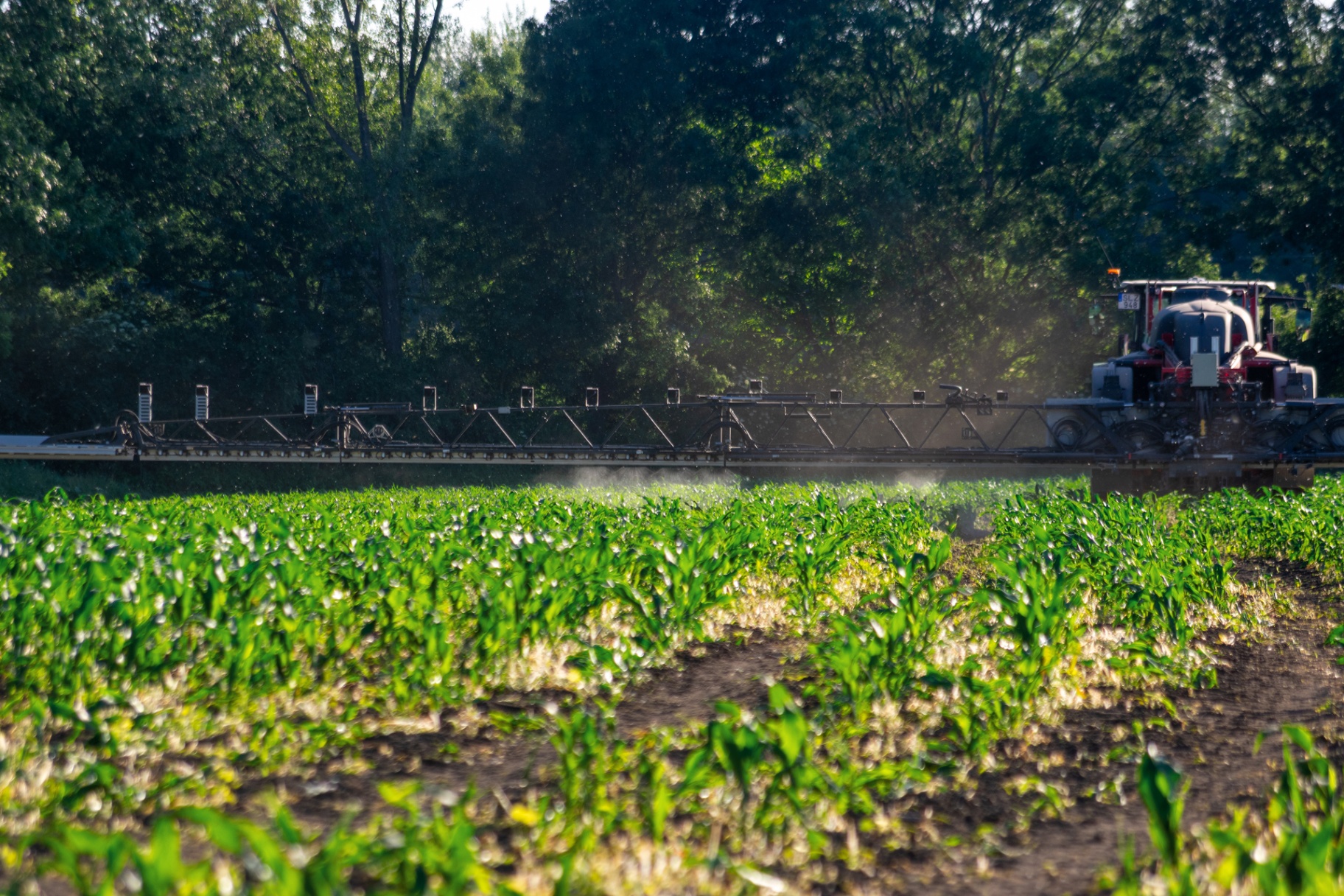
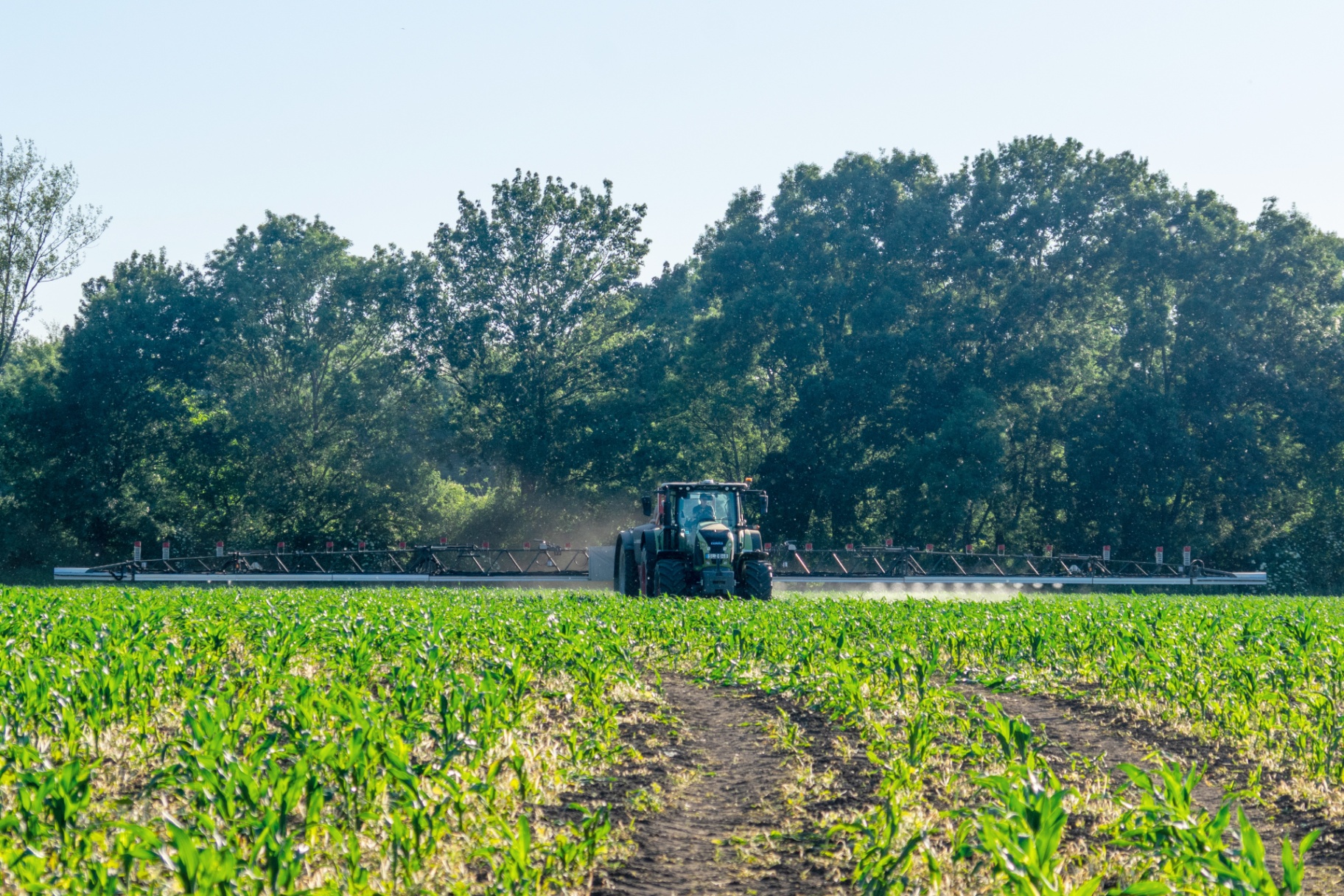
30 m boom Green-on-Green spot spraying in corn
Application Guide

Green-on-Green Spot Spraying: Crop-by-Crop Guide

A field-proven technical guide to real-time AI Green-on-Green spot spraying for corn, lentils, sunflower and soybean — with herbicide savings, working speeds and payback timelines based on WeedEye deployments across Central Europe.

What is Green-on-Green spot spraying?

Green-on-Green (GoG) means detecting and spraying weeds that grow inside a green, actively-growing crop — as opposed to Green-on-Brown, where weeds are sprayed on bare soil. GoG is the harder computer-vision problem: the AI must distinguish weed species from the crop leaf-by-leaf, in real time, from a moving boom.

WeedEye's FALCON cameras stream frames to an on-boom AI unit that classifies each square of the field and fires the corresponding nozzle within ~5 ms. The result: only weeds get sprayed, even in a dense post-emergence canopy.

  • Post-emergence, in-crop weed control
  • Crop-safe: nozzles stay closed over the crop
  • Works with existing herbicides and tank mixes
  • Compatible with resistance-management rotations
Live Green-on-Green spot spraying with WeedEye

Crop-by-crop application guide

Recommended application windows, target weed spectrum, and observed savings for the four most common Green-on-Green crops in the WeedEye field programme.

Corn (Maize)

Zea mays

Target weeds
Amaranthus, Chenopodium, Ambrosia, Setaria, Sorghum halepense
Application window
V2–V8, pre-canopy closure
Herbicide savings
70–90% herbicide reduction on post-emergence passes
Working speed
Up to 20 km/h with WeedEye Full Upgrade Kit
Typical ROI
1 season on 300+ ha operations

Agronomy note: Row-crop geometry lets the FALCON camera learn a strong crop-vs-weed model. Pair Green-on-Green with a reduced-rate residual for late-season escapes.
Lentils

Lens culinaris

Target weeds
Chenopodium album, Polygonum, Sinapis arvensis, volunteer cereals
Application window
4–8 true leaves, before canopy closes
Herbicide savings
60–85% reduction vs. blanket post-emergence
Working speed
12–16 km/h recommended for delicate canopy
Typical ROI
1–2 seasons; strongest ROI when high-cost selective herbicides are used

Agronomy note: Lentils have a narrow herbicide toolbox and low tolerance to over-application. Green-on-Green protects yield while cutting the most expensive chemistry.

Sunflower

Helianthus annuus

Target weeds
Xanthium, Ambrosia artemisiifolia, Datura, Cirsium arvense
Application window
V2–V6, before shading
Herbicide savings
65–85% reduction on Clearfield / Express Sun programs
Working speed
Up to 18 km/h
Typical ROI
1 season on farms >200 ha using imazamox or tribenuron

Agronomy note: High per-hectare chemistry cost makes sunflower one of the fastest payback crops for Green-on-Green. Ambrosia hotspots are treated selectively.

Soybean

Glycine max

Target weeds
Amaranthus palmeri, Chenopodium, Abutilon, Setaria
Application window
V1–V4, pre-canopy
Herbicide savings
70–90% on post-emergence contact herbicides
Working speed
Up to 20 km/h
Typical ROI
1 season, especially against resistant Amaranthus

Agronomy note: Ideal for resistance management: spot-treat escapes with an alternative mode of action instead of blanket re-spraying.

How WeedEye enables Green-on-Green

Three engineering choices make in-crop detection reliable in real field conditions.

FALCON vision

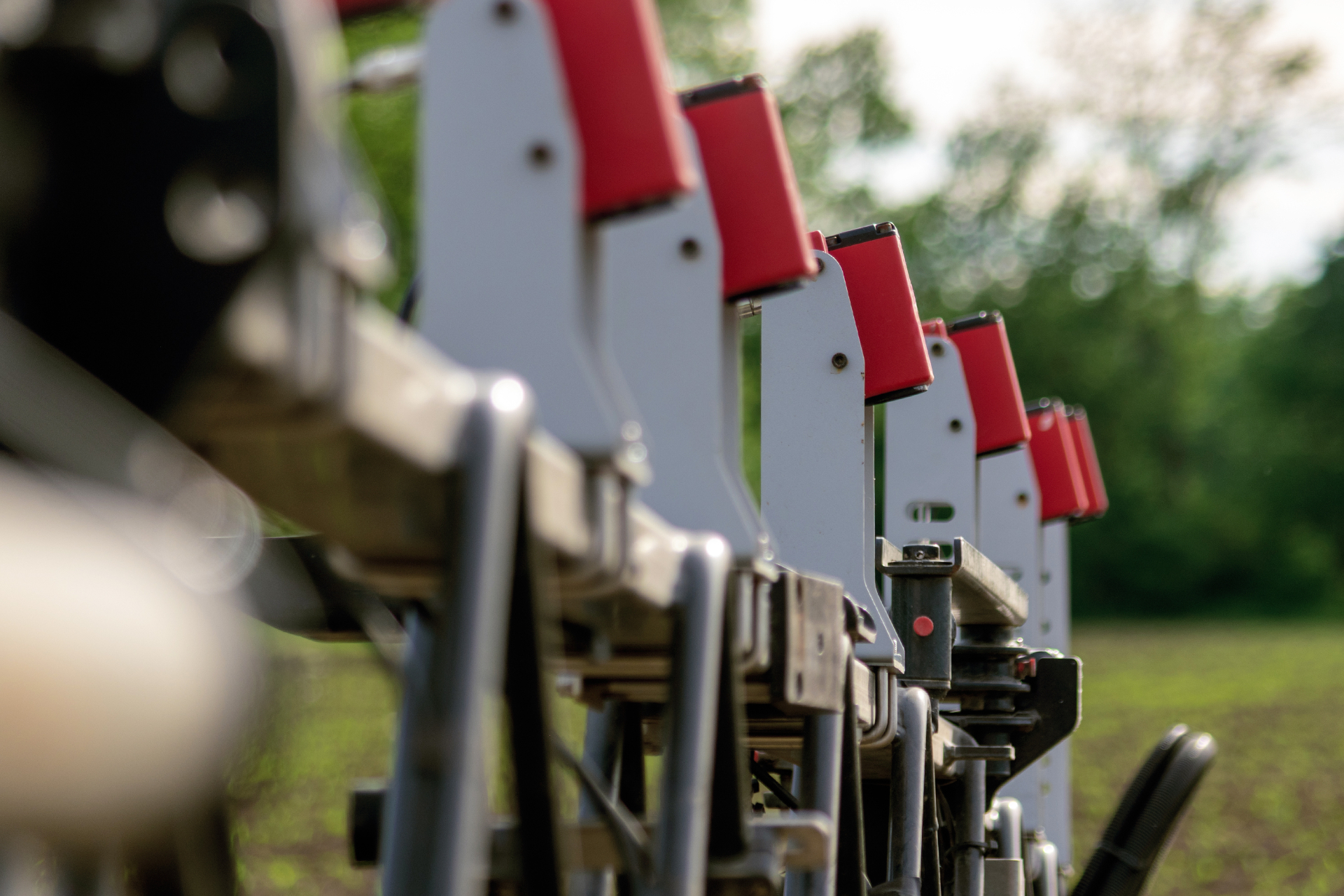
High-frame-rate cameras mounted every ~1.5 m across the boom, with active exposure control for sunlight, shadow, and dust.

On-boom AI

Crop-specific neural networks run at the edge — no cloud round-trip — for classification and nozzle firing in ~5 ms.

Continuous learning

Each season we retrain models against local weed pressure — from Ambrosia in sunflower to resistant Amaranthus in soy.

WeedEye FALCON vision units mounted along the sprayer boom

Green-on-Green ROI at a glance

Up to 90%
Herbicide savings on post-emergence passes
1–2 seasons
Typical payback on the Easy Kit / Full Upgrade Kit
20 km/h
Working speed with the Full Upgrade Kit + TALON valves